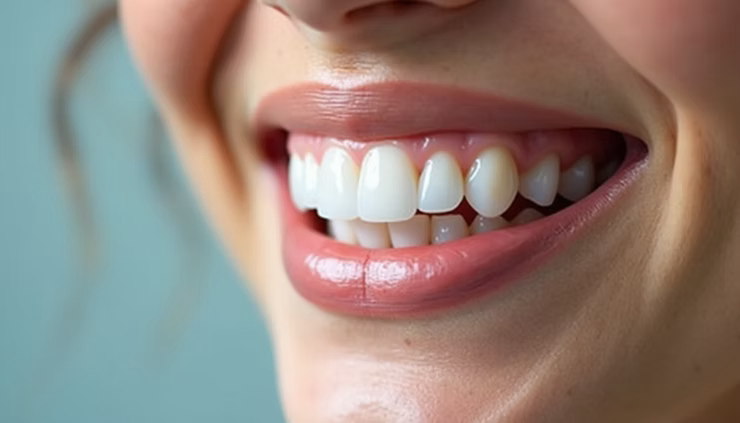

Choosing professional care at Pure White Studios is quicker, safer, and more effective than at-home methods, which usually use lower peroxide levels and can cause more gum irritation or uneven results. While over-the-counter kits can take weeks to show moderate improvement, our expert-supervised treatments deliver immediate, dramatic results of 6–12 shades in a single 60–90 minute session. By utilizing clinical-grade formulas and protective barriers, we provide a deep, long-lasting brightness that maintains its brilliance for up to a year — nearly double the longevity of typical at-home products.
When it comes to teeth whitening, your choice boils down to professional treatments or at-home methods. Here's what you need to know:
- Professional Whitening: Faster results (6–12 shades whiter in 60–90 minutes), deeper stain removal, and longer-lasting effects (6–12 months). Costs range from $500 to $1,500, but some clinics like Pure White Studios offer sessions starting at $99.
- At-Home Whitening: More affordable ($30–$200), but results take 2–4 weeks (2–8 shades improvement) and last only 3–6 months. Options include strips, trays, LED kits, and pens, but they use lower peroxide concentrations and may lead to uneven whitening or gum irritation.
Quick Comparison
| Feature | Professional Whitening | At-Home Whitening |
|---|---|---|
| Shade Improvement | 6–12 shades | 2–8 shades |
| Time to Results | 60–90 minutes | 2–4 weeks |
| Longevity | 6–12 months | 3–6 months |
| Cost | $99–$1,500+ | $30–$200 |
| Safety | Expert-supervised, protective barriers | Self-applied, risk of overuse |
Choose professional whitening for fast, dramatic results and expert care. Opt for at-home methods if you prioritize affordability and are okay with gradual progress.
Professional Teeth Whitening: How It Works
What is Professional Teeth Whitening?
Professional teeth whitening involves using a peroxide-based bleaching agent activated by LED light. This process works by penetrating the enamel and dentin layers of your teeth to oxidize and break down stains. Before beginning, a professional exam ensures there are no exposed roots or infections that could cause discomfort during the treatment.
The standout benefit of professional whitening is its customized approach. Professionals use isolation techniques and specially designed protocols to ensure the whitening agent evenly covers all parts of each tooth, unlike many over-the-counter systems that only target surface stains. LED lights are the preferred activation method because they minimize sensitivity compared to UV or halogen lights.
"Generally, in-office whitening treatments are highly effective, take as little as one session, and are well-accepted by most patients." — Dr. Amanda Lewis, DMD
This precision is part of why Pure White Studios in San Antonio can deliver noticeable, long-lasting results. Their tailored treatments ensure each session is as effective as possible.
Pure White Studios Services and Pricing
Pure White Studios provides two treatment options to cater to varying whitening needs.
- The 90-Minute Signature Session ($199) is designed for deep stain removal, utilizing multiple LED cycles and clinical-grade whitening formulas. Now on sale for $99 with Promo Code PURE50.
- The 60-Minute Maintenance Session ($149) focuses on surface stains and is ideal for keeping your smile bright between deeper treatments.
Both options use a zero-sensitivity formula to minimize nerve irritation during and after the procedure. Pure White Studios provides an improvement of up to 10 shades whiter in just one visit. Many customers have shared glowing reviews, describing "instant results" and dramatic improvements, even for stains caused by medication.
Results generally last about two to six months, depending on lifestyle and habits. To maintain your brighter smile, steer clear of staining foods like coffee, red sauce, and curry. Incorporating crunchy fruits and vegetables like apples and carrots into your diet can also help remove surface stains naturally.
At-Home Teeth Whitening: Methods and Drawbacks
Common At-Home Whitening Products
There's no shortage of at-home teeth whitening products, many of which rely on peroxide to break down stains. Here's a breakdown of the most popular options:
- Whitening strips: Thin, flexible plastic strips coated with a peroxide-based gel. You apply them directly to your teeth for 30 to 60 minutes daily. Most contain 2% to 10% hydrogen peroxide and cost anywhere from $20 to $55 per box.
- Whitening trays: Trays hold whitening gel against your teeth. Over-the-counter versions are one-size-fits-all, while custom trays from a dentist are made using impressions of your teeth for a snug fit. Custom trays usually contain 10% to 22% carbamide peroxide and cost between $200 and $400.
- LED whitening kits: Combine whitening gel with blue light to activate the process. Sessions typically last 10 to 30 minutes over 14 to 21 days. Prices range from $30 to $150.
- Whitening pens: Compact and portable, these pens are designed for quick touch-ups on surface stains. They're priced between $15 and $35.
While these products are convenient and more affordable than professional treatments, they use lower concentrations of peroxide. For example, professional gels can contain 25% to 40% hydrogen peroxide, while at-home options usually cap at around 20%. Because of this, at-home methods often lighten teeth by 2 to 8 shades, whereas professional treatments can achieve 6 to 12 shades.
Drawbacks of At-Home Whitening
At-home whitening comes with a trade-off: the process takes longer. While professional treatments deliver results the same day, over-the-counter products often require daily use for 14 to 30 days. Studies show that professional treatments can achieve in one session what these products take 16 days to accomplish. Additionally, the results don't last as long, typically 2 to 3 months compared to the 6 to 12 months seen with professional treatments.
Another downside is the potential for uneven whitening. One-size-fits-all trays may not fit securely, leading to gel leakage. This can cause uneven results and even gum irritation, such as redness, swelling, or white spots. At-home products are generally effective for mild surface stains caused by coffee or tea but often fall short when dealing with deeper stains from antibiotics, fluorosis, or dental trauma.
Tooth sensitivity is another common issue, affecting 15% to 65% of users during treatment. On top of that, some DIY methods, like using charcoal or lemon juice, can harm your enamel. Dr. Hans Malmstrom, a Professor of Dentistry at the University of Rochester Medical Center, warns:
"Lemon juice is acidic, and even whitening gels are not good if they're acidic because you can remove the superficial layer of the tooth structure." — Dr. Hans Malmstrom
While at-home whitening products are convenient, they come with limitations and risks that are worth considering before starting treatment.
Effectiveness Comparison: Professional vs At-Home
Results and Longevity Comparison
When it comes to teeth whitening, the difference in effectiveness boils down to two things: concentration and penetration depth. Professional treatments typically use hydrogen peroxide concentrations between 25% and 40%, while most at-home products max out at around 15%. This difference significantly influences how much your teeth can whiten and how long the results last.
| Feature | At-Home Whitening | Professional Whitening |
|---|---|---|
| Shade Improvement | 2–8 shades | 6–12 shades |
| Time to Results | 2–4 weeks | 60–90 minutes |
| Penetration Depth | Surface-level (extrinsic) | Deep (intrinsic and surface) |
| Longevity | 3–6 months | 6–12 months |
| Active Ingredient | 3–15% hydrogen peroxide | 25–40% hydrogen peroxide |
At-home whitening works well for mild surface stains, such as those caused by coffee, tea, or red wine. However, it often falls short when dealing with more severe discoloration. Stains caused by antibiotics like tetracycline, fluorosis, or dental trauma are typically too stubborn for over-the-counter products. In such cases, professional whitening is the only option that can effectively target these deeper, intrinsic stains.
Another advantage of professional treatments is their longer-lasting results. While at-home methods usually maintain results for 3 to 6 months, professional whitening can last between 6 and 12 months. This is because professional treatments not only whiten teeth more dramatically but also set a much brighter baseline. Still, both methods require regular upkeep since daily habits, like drinking coffee or smoking, will eventually cause new stains to form.
Safety Comparison: Professional vs At-Home
Safety and Side Effects Comparison
When deciding between professional and at-home teeth whitening, safety is a key factor alongside cost and results. Both methods are considered safe when used properly, and neither increases the risk of cavities or tooth fractures. However, the way they handle potential side effects like temporary tooth sensitivity and gum irritation varies greatly, largely depending on whether a professional is involved or not.
Professional whitening treatments use higher peroxide concentrations, which require extra precautions. Experts apply protective barriers to shield your gums from chemical burns and use specialized desensitizing agents to reduce discomfort. Dr. Anne Clemons emphasizes the importance of preparation:
"Take steps to get your teeth healthy before starting down any whitening road." — Dr. Anne Clemons
This underscores the value of professional oversight, including pre-treatment checks to ensure issues like cavities or gum disease won't be worsened by whitening.
On the other hand, at-home whitening introduces different risks. Without protective barriers, whitening gel can easily irritate or burn your gums. The biggest concern, however, is overuse. Many users exceed recommended application times or frequency, which can lead to enamel erosion and uneven results. Dr. Clemons cautions:
"The hydrogen peroxide in whitening products has been carefully formulated for use on your teeth. Using an unsupervised product is going to come with a lot of risk." — Dr. Anne Clemons
| Safety Factor | Professional Whitening | At-Home Whitening |
|---|---|---|
| Supervision | Real-time monitoring by experts | Self-administered; no oversight |
| Gum Protection | Protective barriers applied | None; gel may leak onto gums |
| Sensitivity Management | Professional desensitizers used | User must adjust usage or stop |
| Risk of Overuse | Low (expert-controlled) | High (can damage enamel) |
| Oral Health Check | Screening for cavities/gum disease | None (may whiten over decay) |
These points highlight how professional treatments not only provide better results but also minimize risks. If you opt for at-home whitening, make sure the product has the American Dental Association (ADA) Seal of Acceptance to confirm it's been tested for safety. Stick to the instructions: limit use to two weeks, then take a break of three to four months. If sensitivity occurs, pause treatment. While both methods might cause temporary side effects, professional oversight greatly reduces the chance of serious problems.
Cost and Time Comparison: Professional vs At-Home
Cost and Time Investment Comparison
When deciding between professional and at-home whitening, it's important to factor in both time and financial commitments.
Professional whitening involves a higher upfront cost but requires just a single 60–90 minute session. In comparison, at-home whitening demands daily sessions lasting 10–60 minutes over 2–4 weeks. The results differ too: professional treatments can brighten your teeth by 6–12 shades in one visit, while at-home methods typically achieve a 2–8 shade improvement over time.
For costs, professional whitening typically ranges from $500 to over $1,500. However, Pure White Studios offers treatments at a much lower cost, just $99–$199. At-home options are more budget-friendly, with whitening kits averaging $50, LED kits priced between $30 and $150, and whitening strips costing $20–$55 per box.
| Factor | Professional Whitening | At-Home Whitening |
|---|---|---|
| Upfront Cost | $99–$199 at Pure White Studios ($500–$1,500+ elsewhere) | $30–$150 (average ~$50) |
| Time Investment | 60–90 minutes (single appointment) | 10–60 minutes daily for 2–4 weeks |
| Results Speed | Immediate (in one session) | Gradual (2–4 weeks) |
A hybrid approach can be a smart strategy: start with a professional session for quick, dramatic results, and maintain your bright smile with at-home products. This combination allows you to enjoy the best of both worlds — professional results and budget-friendly upkeep.
With Pure White Studios offering affordable pricing and fast results, it's an appealing option for anyone looking for a brighter, longer-lasting smile.
Which Method Should You Choose?
Choosing between professional and at-home teeth whitening depends on a few key factors: your budget, how quickly you want results, the severity of your stains, and how sensitive your teeth are. Let's break it down so you can figure out which option works best for you.
If you're after fast results, professional whitening is the way to go. This treatment can brighten your teeth by 5 to 7 shades in just one 45- to 90-minute session. In contrast, at-home methods usually take 2 to 4 weeks, and some over-the-counter products might need up to 16 days just to achieve what a single in-office treatment can do. Dr. Arman Farhadtouski from University of Utah Health sums it up perfectly:
"With professional whitening, you can get to that endpoint in one dental office visit." — Dr. Arman Farhadtouski
For stubborn stains, like those caused by coffee, wine, or tobacco, professional treatments are much more effective. They use higher concentrations of whitening agents compared to at-home kits. While surface stains might improve with at-home products, deeper discoloration, such as stains from medications or trauma, typically won't respond to these methods.
When it comes to tooth sensitivity, professional treatments have a clear advantage. Clinics like Pure White Studios use protective barriers and specialized formulas designed to minimize discomfort. In fact, they've been shown to reduce sensitivity from 55% to just 12%. At-home kits, while milder, often require longer use, which can still lead to discomfort over time.
Cost is another factor to weigh. Professional whitening does involve a higher upfront cost, but Pure White Studios offers competitive pricing for one-visit treatments. On the other hand, at-home products are cheaper per use but often require frequent repurchases to maintain results.
If you're looking for quick, dramatic, and lasting results, professional whitening at Pure White Studios offers expert care, clinical-grade safety, and a same-day transformation with a guaranteed improvement of at least 3 shades.
Conclusion
When deciding between professional and at-home teeth whitening, it all comes down to what matters most to you: speed, effectiveness, safety, and long-lasting results. At-home kits might be more convenient and budget-friendly upfront, but they require consistent use over weeks and typically offer only moderate improvements. On the other hand, professional whitening delivers dramatic results in just one session.
Professional treatments stand out for their focus on safety and durability. With expert supervision, your oral health is thoroughly assessed before treatment begins, reducing the risk of complications like chemical irritation on untreated cavities or gum issues. Plus, professionals can determine whether your specific stains are treatable, something at-home kits simply can't do. As Dr. Arman Farhadtouski of University of Utah Health explains:
"Patient safety should always be paramount. I highly recommend that patients have healthy mouths before considering this." — Dr. Arman Farhadtouski
This careful approach, combined with high-strength clinical formulas, protective barriers, and advanced tools like LED activation, ensures results that can last up to a year — almost twice as long as most at-home options.
At Pure White Studios, you'll experience this professional touch with guaranteed results of at least three shades brighter, personalized aftercare, and formulas designed to avoid sensitivity. Their 90-minute deep stain removal session is priced at $199, while a 60-minute maintenance session for touch-ups costs $149. These rates provide excellent value for a same-day transformation delivered with expert care.
For a safe, fast, and dazzling smile, Pure White Studios offers the professional solution you can trust.
FAQs
Am I a good candidate for professional whitening?
The best way to determine your candidacy is through a professional evaluation. We recommend booking a consultation with Pure White Studios to receive an expert opinion tailored to your specific dental history. During this session, our specialists will assess your enamel health and identify the types of staining present to ensure you achieve the safest and most effective results possible.
Will whitening work on crowns, veneers, or fillings?
Whitening treatments are less effective on crowns, veneers, or fillings because these materials — like porcelain or composite — are nonporous. Since they can't absorb bleaching agents, only natural teeth will dramatically whiten, while dental restorations can lag behind.
How can I keep my teeth white longer after whitening?
To keep your teeth looking bright after whitening, steer clear of foods and drinks that can cause stains — like coffee, tea, and red wine. Make brushing and flossing a daily habit, and think about adding a whitening toothpaste to your routine. Scheduling regular dental cleanings can also go a long way in preserving your results. Consistent oral hygiene is the secret to maintaining that radiant smile.